Nutritional Science for Men
General dietary knowledge in the context of mature adulthood and plant-based nutrition diversity
General Nutritional Context
As men mature beyond age 40, nutritional science recognizes certain patterns in how the body processes nutrients and maintains general wellness through diet. This educational section presents general scientific knowledge about dietary patterns relevant to this demographic, without offering personalized recommendations or medical advice.
Key Dietary Considerations: General Science
Nutritional research identifies several areas of general importance for mature adults:
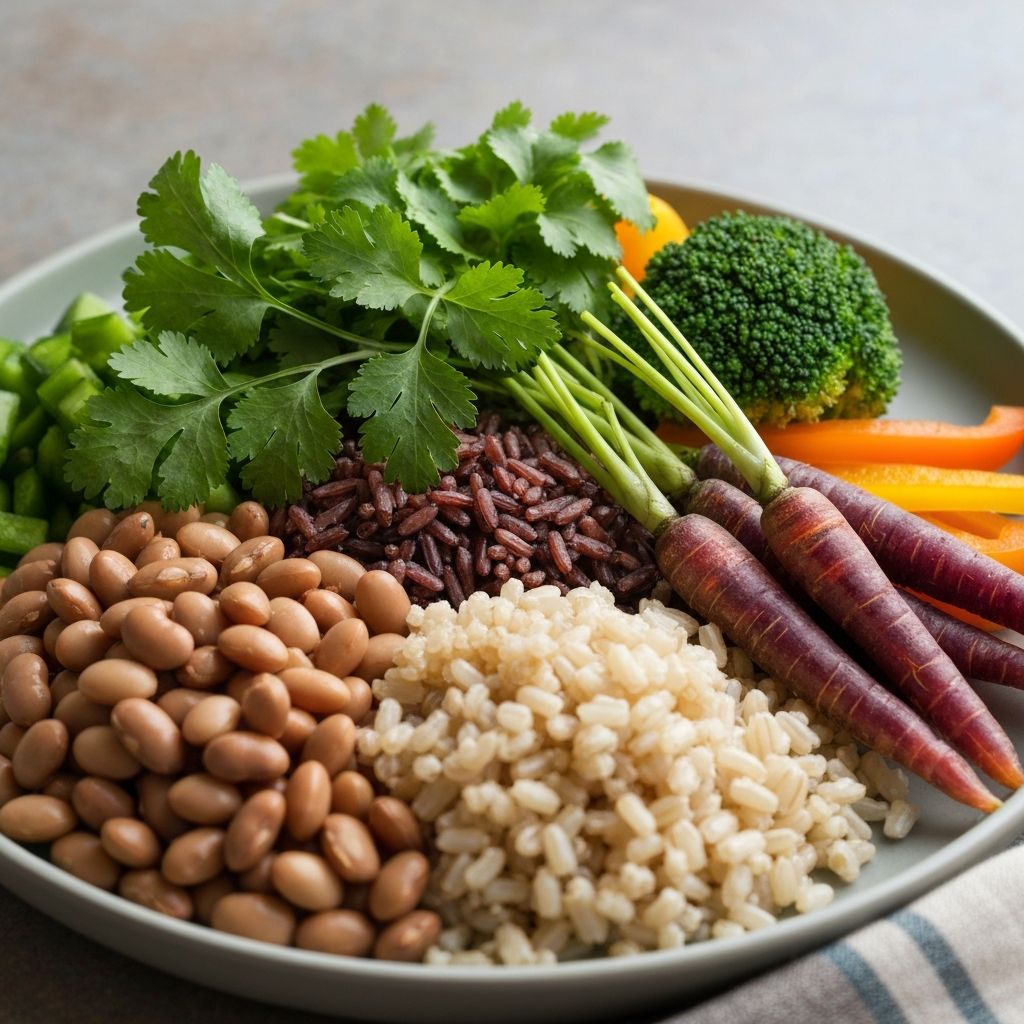
- Mineral Density in Diet: Adequate intake of zinc, magnesium, and selenium becomes increasingly relevant for supporting general bodily functions. Plant sources including legumes, nuts, seeds, and whole grains provide these minerals.
- Fiber and Digestive Health: Whole grains, legumes, and plant foods provide dietary fiber, which plays documented roles in digestive health and general metabolic function.
- Antioxidant and Polyphenol Diversity: Consuming a broad spectrum of colored plants (berries, leafy greens, roots) exposes the body to diverse polyphenols and antioxidants studied in nutritional science.
- Plant Protein Completeness: Combining legumes, grains, nuts, and seeds throughout the day provides complete amino acid profiles without animal products.
Plant Sources: Nutritional Roles
Different plant categories contribute distinct nutritional profiles:
| Plant Category | Key Nutrients | Nutritional Role (General Science) |
|---|---|---|
| Legumes (Lentils, Beans, Chickpeas) | Protein, Fiber, Iron, Magnesium, Zinc, Folate | Complete protein source; supports energy and mineral status |
| Leafy Greens (Spinach, Kale, Arugula) | Magnesium, Calcium, Iron, Vitamins K/A, Antioxidants | Mineral-dense foods; support general metabolic function |
| Whole Grains (Oats, Quinoa, Barley) | B Vitamins, Fiber, Minerals, Complete Amino Acids | Energy, fiber, and nutrient density; support digestion |
| Nuts & Seeds (Almonds, Flax, Sunflower) | Zinc, Magnesium, Selenium, Healthy Fats, Polyphenols | Concentrated nutrient source; support general wellness |
| Berries (Blueberries, Raspberries, Blackberries) | Vitamin C, Fiber, Polyphenols, Antioxidants | High antioxidant content; support general health |
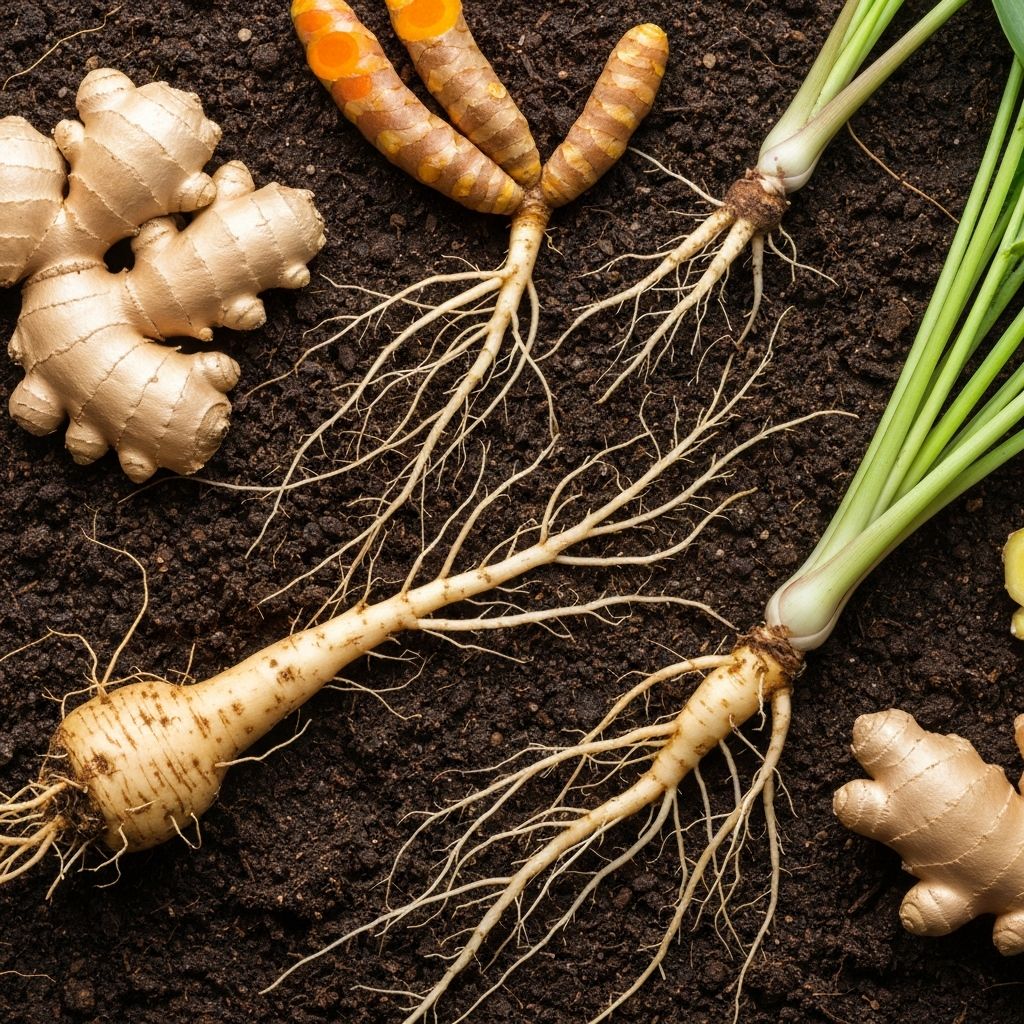
| Roots & Tubers (Sweet Potato, Carrot, Beet) | Potassium, Beta-Carotene, Fiber, Complex Carbs | Nutrient-dense, energy-providing food category |
Principles of Diversity-Based Nutrition
Modern nutritional science emphasizes dietary diversity as a cornerstone of general health. The following principles emerge from research:
- Color Spectrum Principle: Different-colored plants contain different phytonutrient profiles. Consuming a rainbow of fruits, vegetables, and grains ensures exposure to a broad spectrum of bioactive compounds.
- Seasonal Rotation: Consuming plants in their natural seasons aligns with traditional practices and may provide nutritional advantages studied in agricultural research.
- Variety Over Quantity: A wide variety of moderate amounts of different foods provides better nutritional balance than large quantities of few foods.
- Whole Foods Priority: Consuming whole plants (legumes, grains, vegetables) provides fiber, micronutrients, and phytonutrients in natural combinations studied in food science.
- Individual Context: Personal factors (genetics, health status, preferences, access) influence how dietary principles apply to each individual.
Historical and Cultural Plant Knowledge
Plants used in traditional European nutritional practices reflect generations of accumulated observation. While historical use does not equal scientific proof, it provides context for modern nutritional science research:
Traditional European Herbs
Nettle, dandelion, sage, thyme, and oregano have been part of European household nutrition for centuries.
Adaptogenic Plants
Ginseng, maca, and similar plants were traditionally used to support general vitality and adaptation to life demands.
Plant Combinations
Traditional cultures combined plants in ways modern nutritional science is beginning to understand through research on synergistic effects.
Age-Related Dietary Adjustments: General Knowledge
Nutritional science identifies several areas of general adjustment relevant to men over 40:
- Mineral Absorption: Nutrient absorption can change with age. Ensuring adequate intake of easily bioavailable plant sources becomes increasingly important.
- Digestive Considerations: Individual digestive capacity may shift. Diverse fiber sources and food preparation methods can support comfort and nutrient extraction.
- Metabolic Patterns: Energy expenditure and metabolic efficiency may shift. Nutrient-dense plant foods support metabolic health across changing physiological patterns.
- Chronic Disease Prevention: Nutritional science emphasizes that diverse plant consumption supports general prevention and health maintenance across the lifespan.
- Bone and Muscle Support: Adequate mineral and protein intake from plants (legumes, seeds, nuts, grains) supports bone density and muscle maintenance studied in nutritional research.
Practical Integration: General Guidelines
These general principles from nutritional science can inform everyday eating patterns:
- Include legumes in 4-5 meals weekly for protein and minerals
- Consume 7-10 servings of diverse vegetables and fruits daily
- Choose whole grains for most grain consumption
- Include nuts, seeds, or their butters daily for mineral density
- Emphasize seasonal and local plant availability when possible
- Prepare foods using methods that preserve nutrients (steaming, roasting, light cooking)
Further Learning
To explore specific plant compounds, seasonal guidance, or frequently asked questions, visit our other sections: